
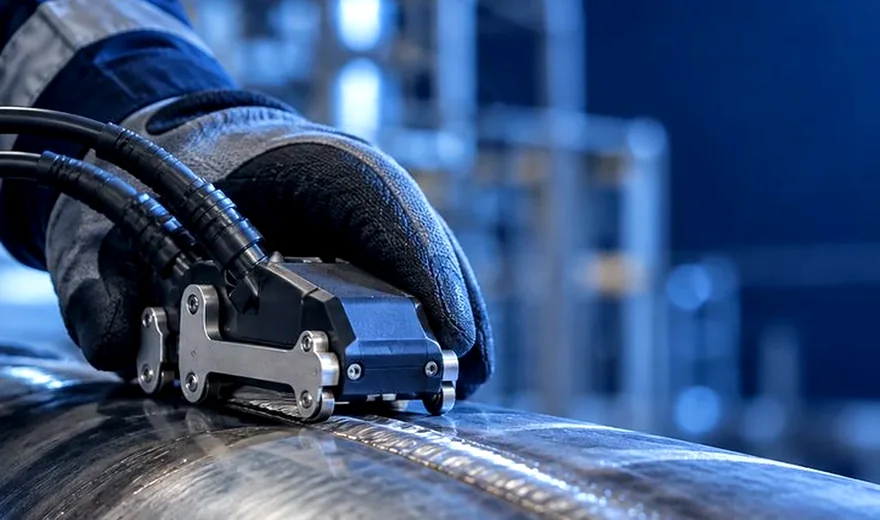
Surface inspection
Explore surface and near-surface inspection of suitable conductive components.
Explore →From a suspected crack at a weld toe to damage inside a heat exchanger tube, get an inspection approach built around the component and the decision you need to make. IAIS India and IAIS UAE welcome project enquiries in India, the UAE and internationally.
Discuss your inspection Explore applicationsA useful inspection starts with a clear question: where might damage be present, what form could it take, and what decision will the results support?
We review your material, component geometry, access and target damage mechanism to establish whether surface or tube ECA is a suitable route for the enquiry.
See how we assess a scope →Explore surface and near-surface inspection of suitable conductive components.
Explore →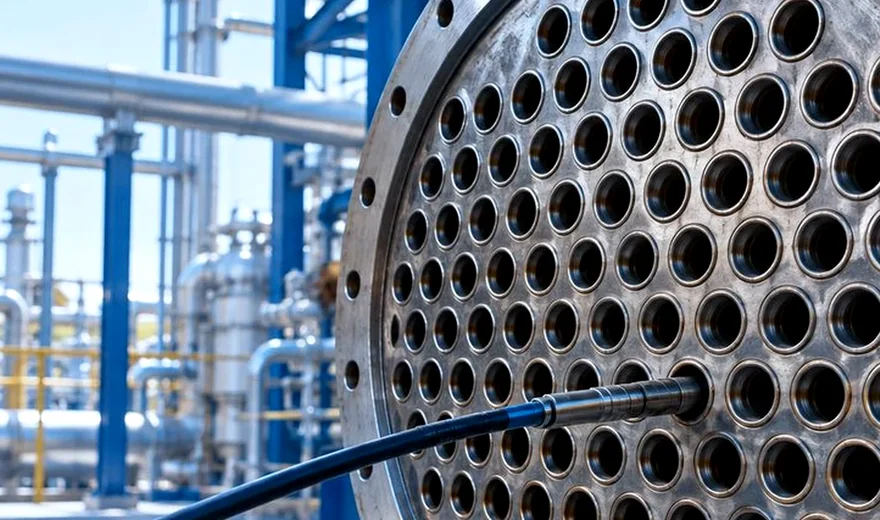
Discuss exchanger and other tubing inspection with a probe and technique matched to the tube.
Explore →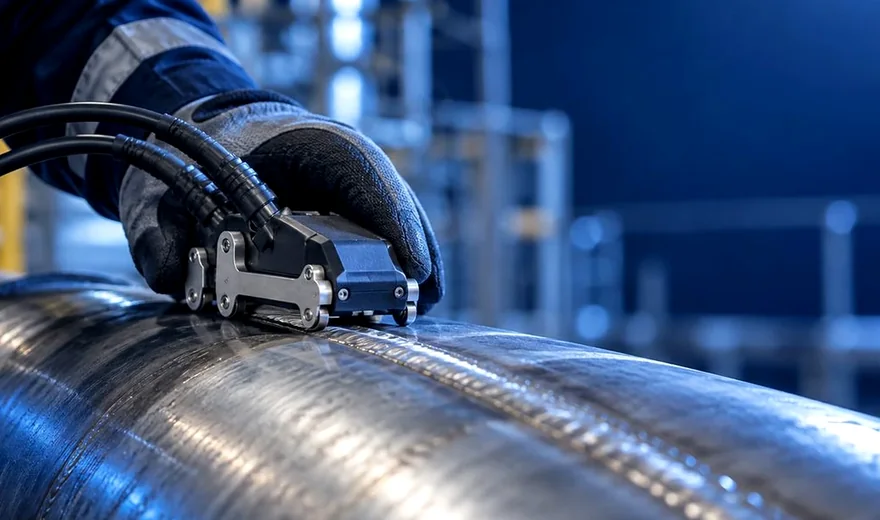
Share your materials, drawings, access and acceptance criteria for a technical review.
Explore →Start with the asset and the indication you need to find. Explore the relevant inspection route, then send drawings and material details for a scoped proposal.
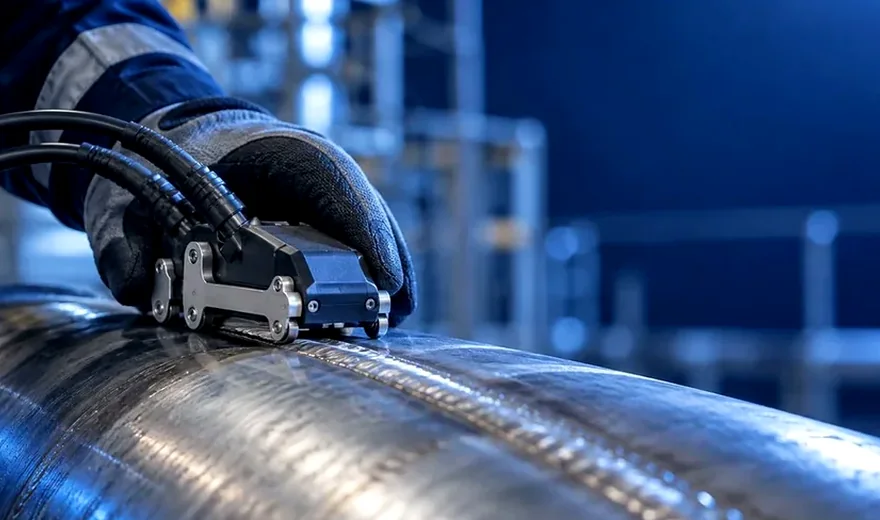
Assess a defined weld or heat-affected-zone concern with suitable surface coverage.
Explore application →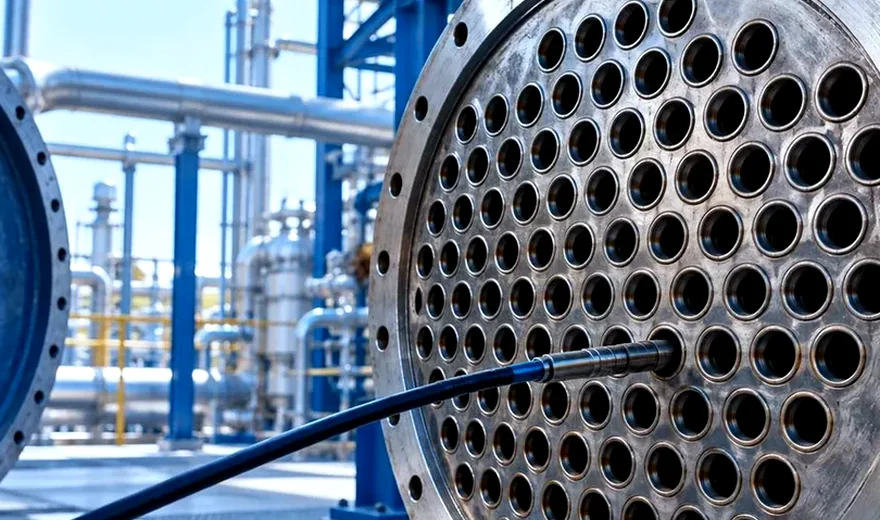
Plan tube inspection around alloy, geometry, supports and the expected damage mechanism.
Explore application →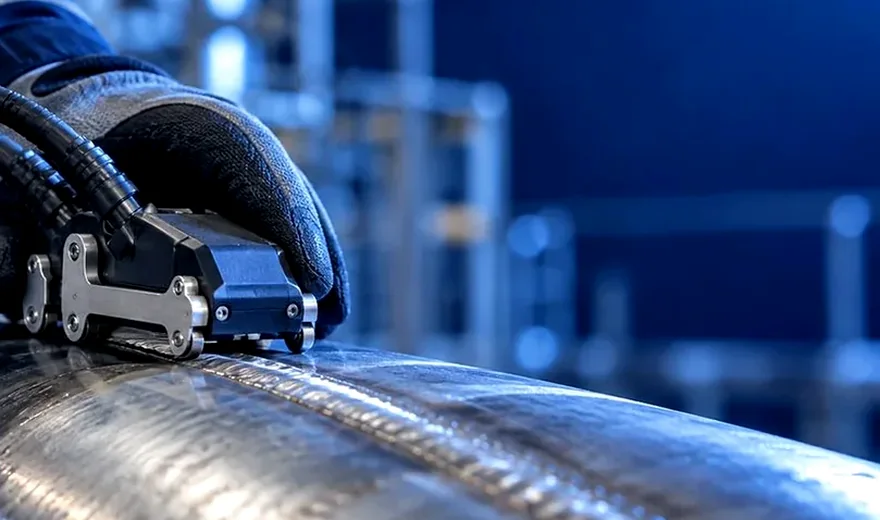
Review accessible plate, girder and other conductive surfaces.
Explore application →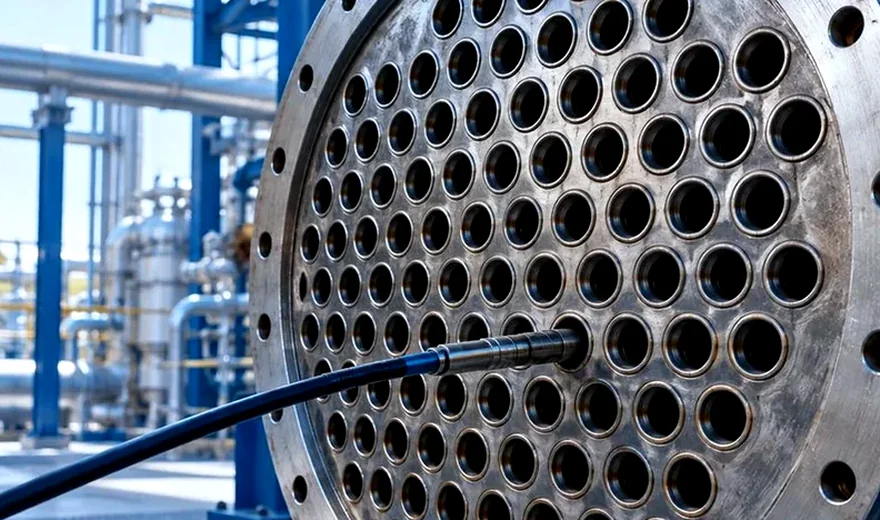
Target localised concerns at tube entries, expanded zones and supports.
Explore application →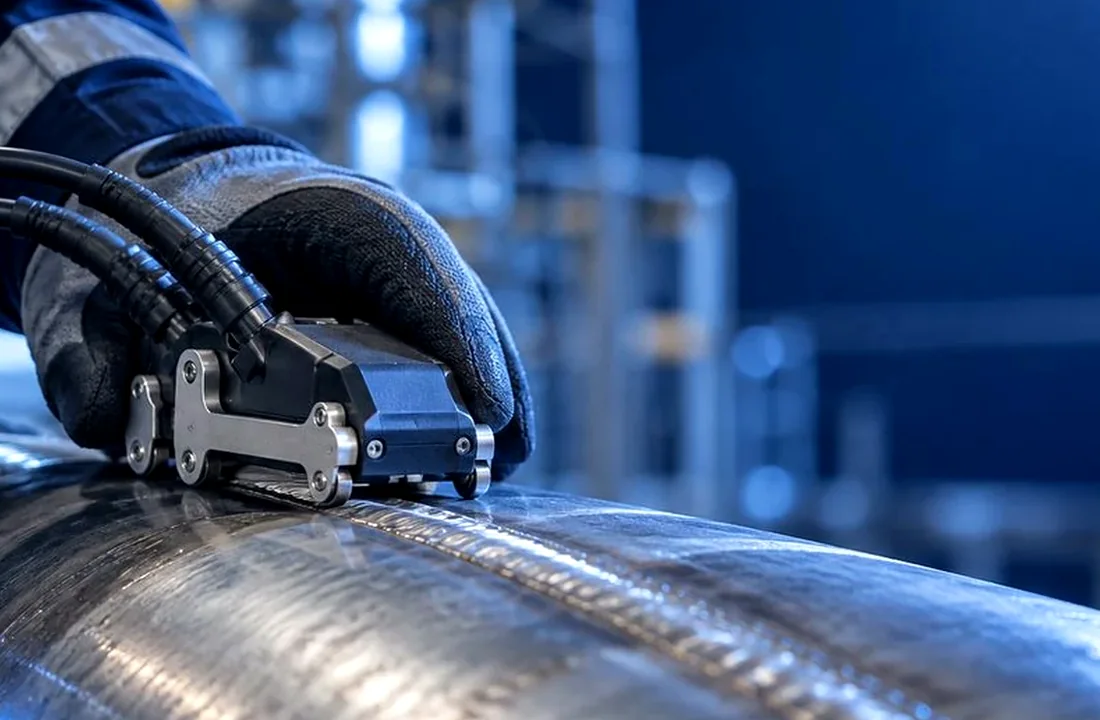
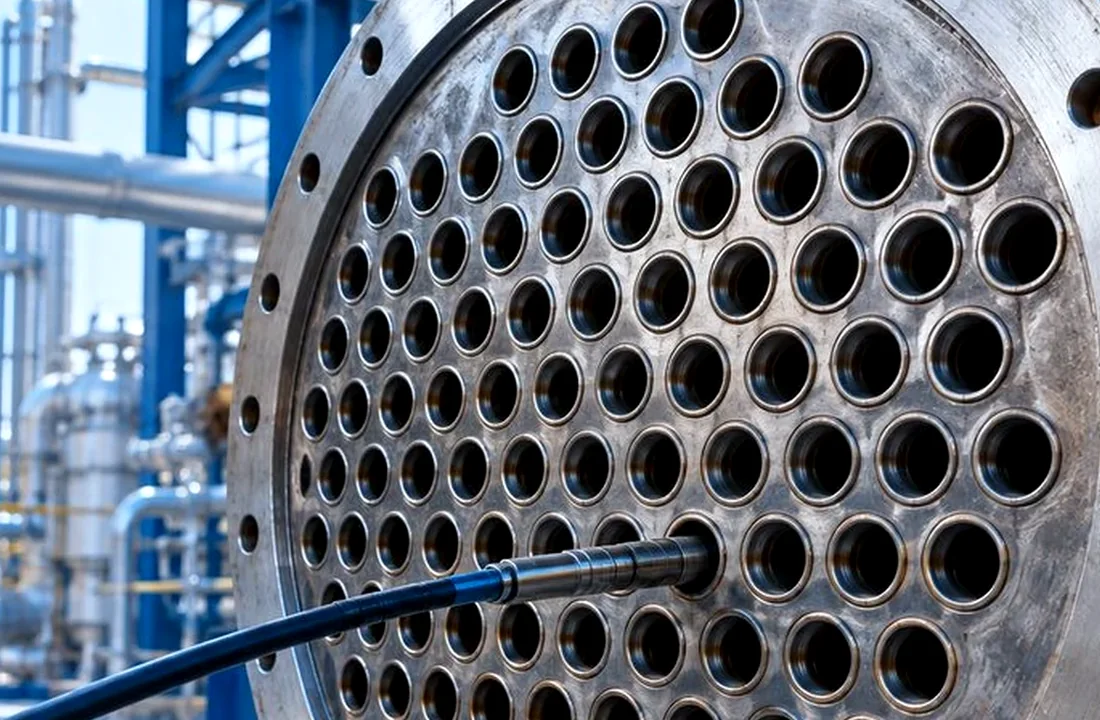
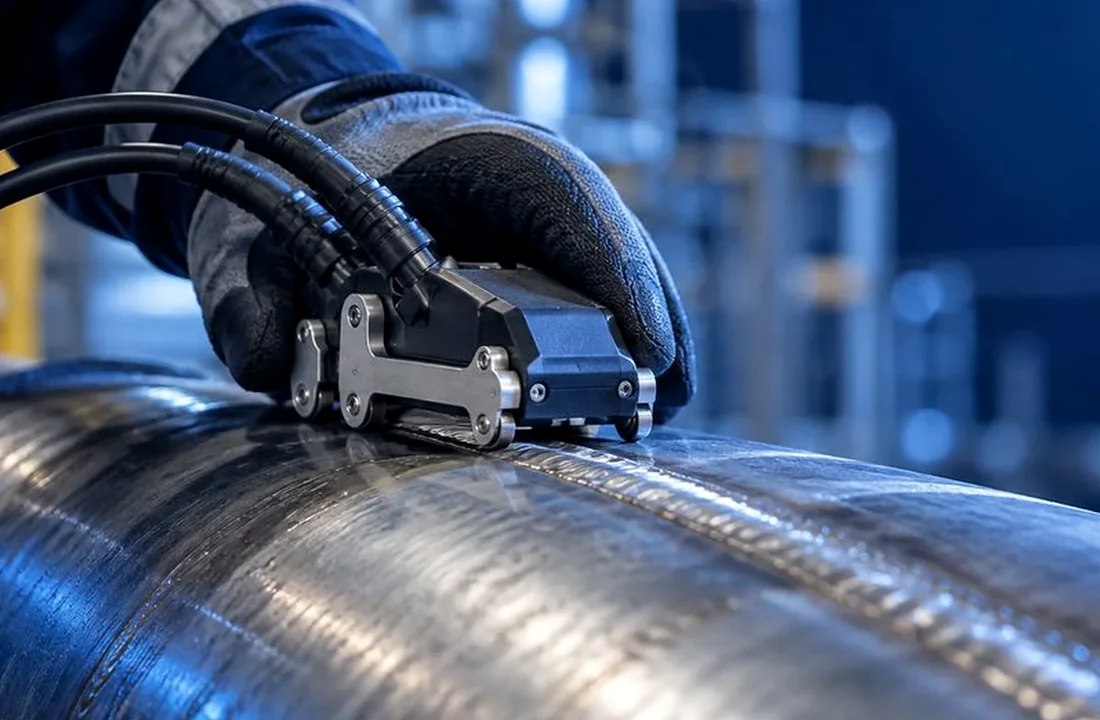
Multiple coil elements can examine an appropriate surface swath in a planned pass.
Compatible encoded setups can relate signals to inspection position and display a reviewable map.
Surface and tube arrays can be configured around particular geometries and flaw orientations.
These are method possibilities, subject to equipment, probe design, procedure and component conditions. Read how feasibility is assessed.
Share asset location, material, dimensions, access, suspected degradation, quantity and applicable inspection criteria. We can then review coverage, technique options and reporting needs for the actual scope.

Explore the component first, then define the defect objective. Application pages explain the method choices and the information needed to assess a real scope.
Refineries, petrochemical and chemical plants
View application →
Power generation and process plant condensers
View application →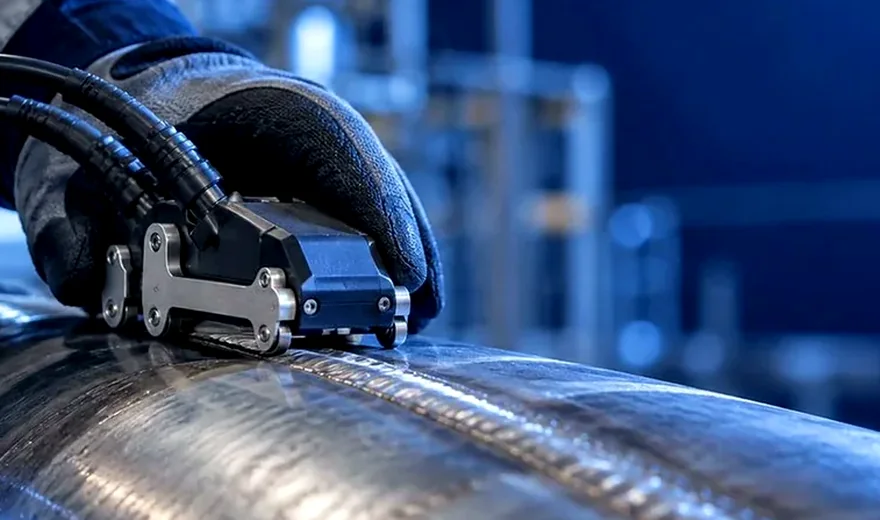
Oil and gas pipelines and process piping
View application →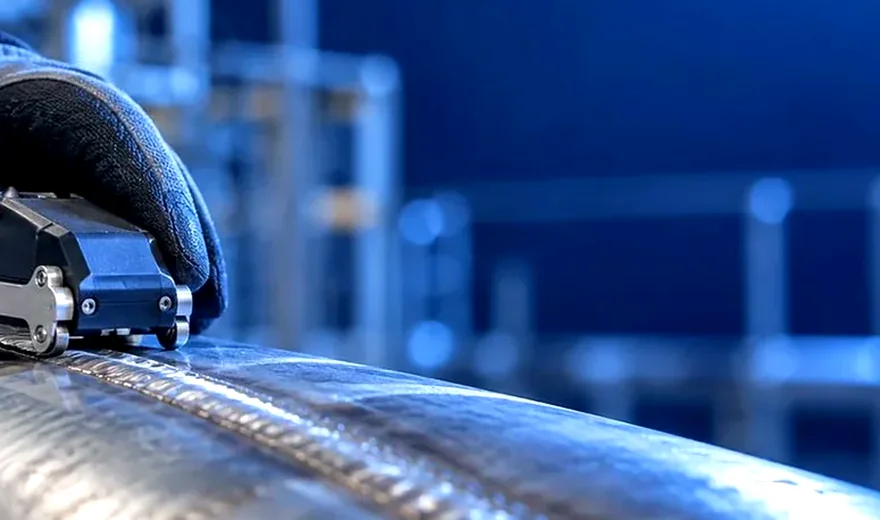
Pressure vessels, storage tanks and related welds
View application →Contact IAIS with the component details and required schedule. Inspection capability and commercial terms are confirmed after scope review.
Discuss your inspection